



University of Swat and Sri Lankan NIIBS Sign Landmark MoU to Strengthen Research on Gandhara Civilization
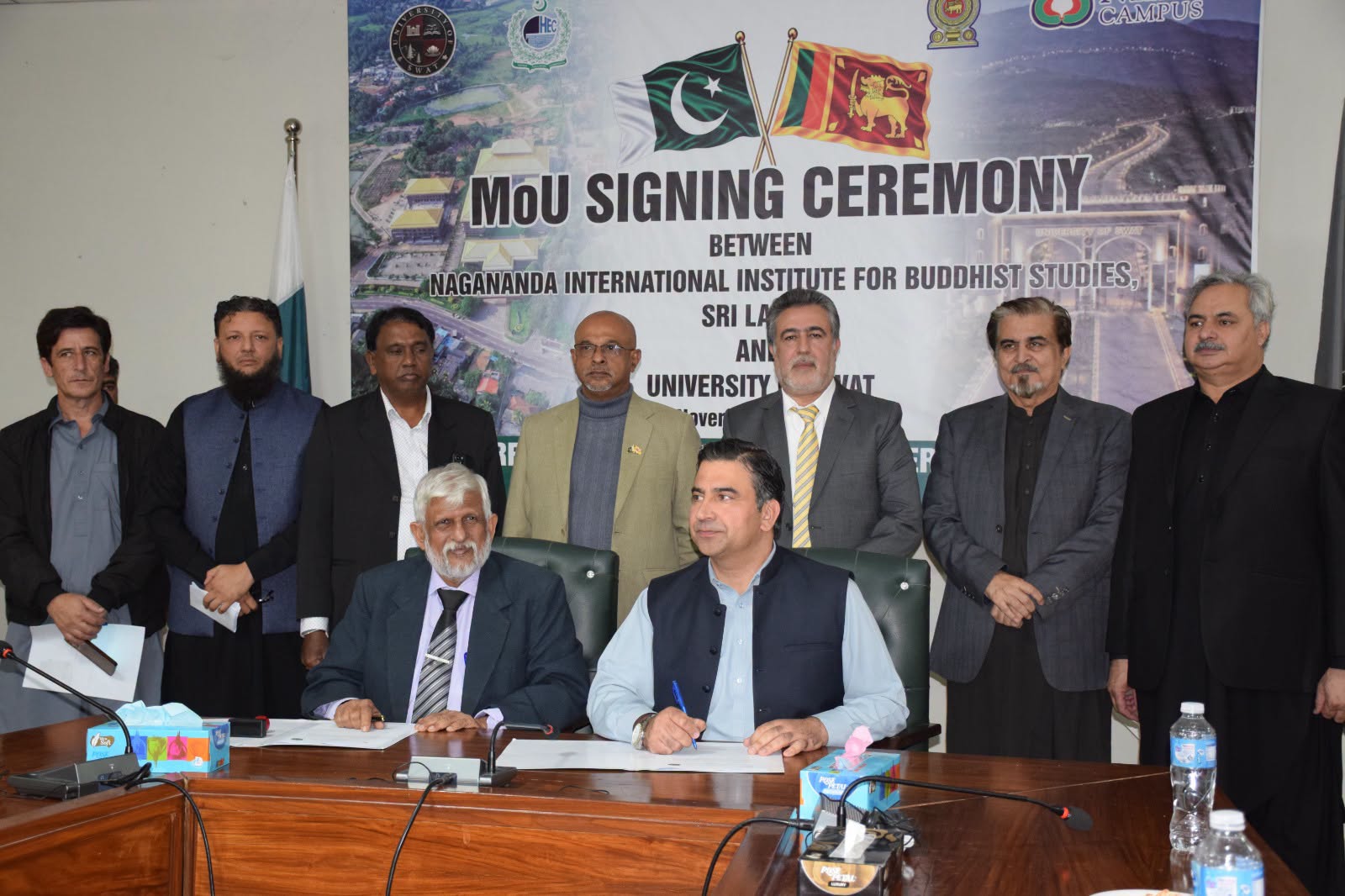
SWAT (Campus Bulletin): The University of Swat on Thursday signed an important Memorandum of Understanding (MoU) with the Nagananda International Institute for Buddhist Studies (NIIBS), Sri Lanka, aimed at fostering student and faculty exchange and promoting joint research, particularly on Gandhara civilization and the Buddhist archaeological heritage of Swat Valley.
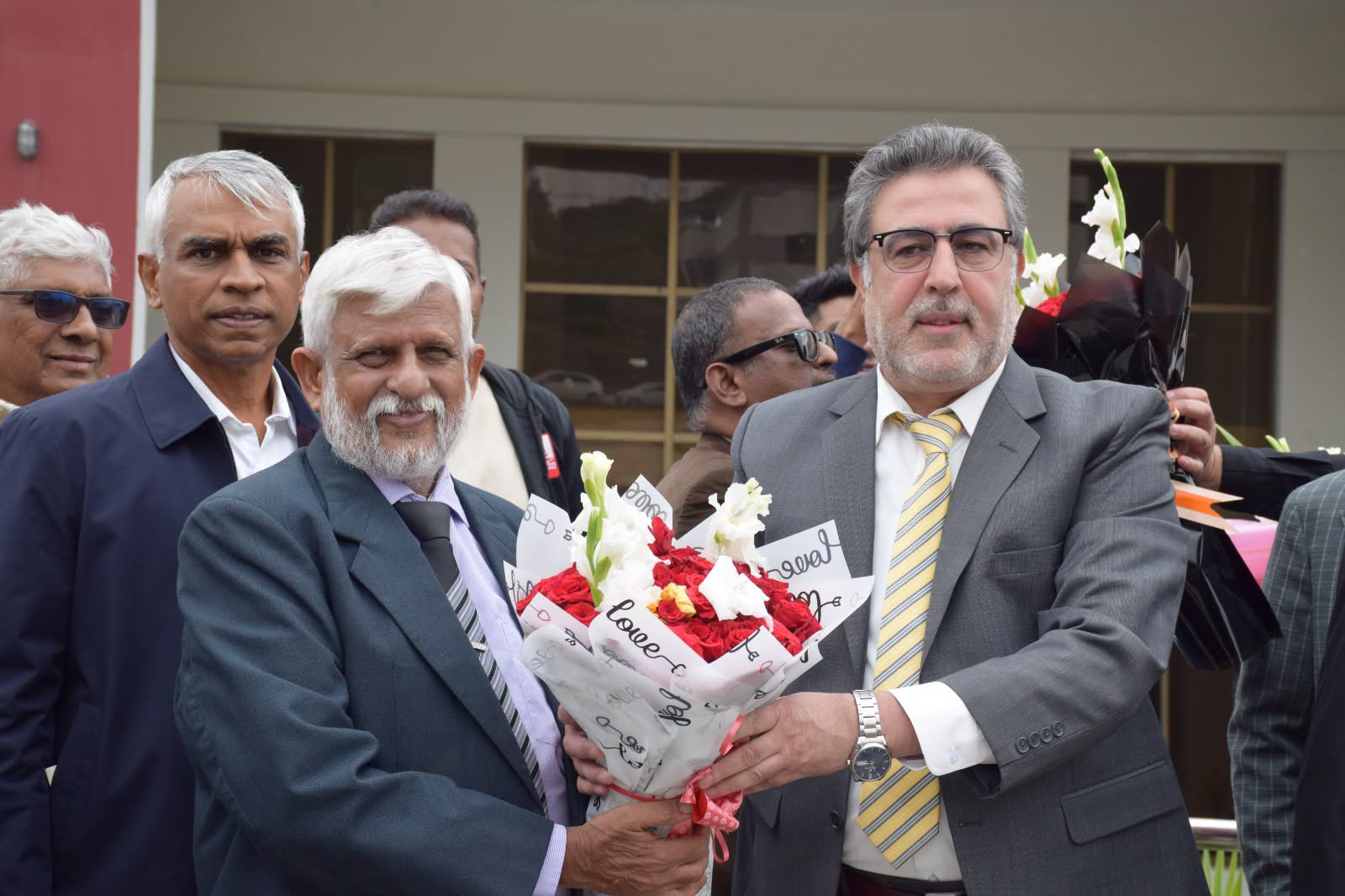
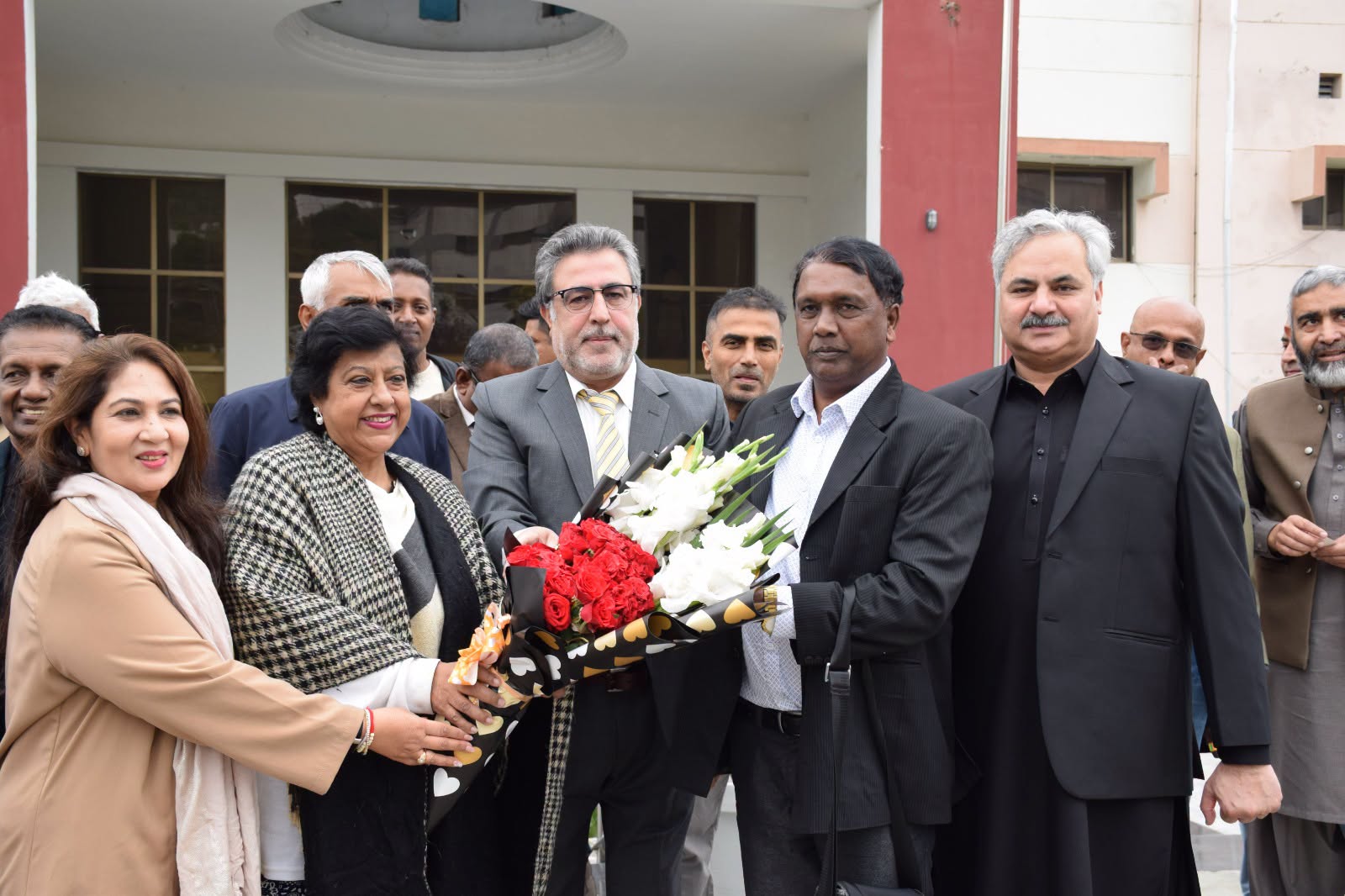
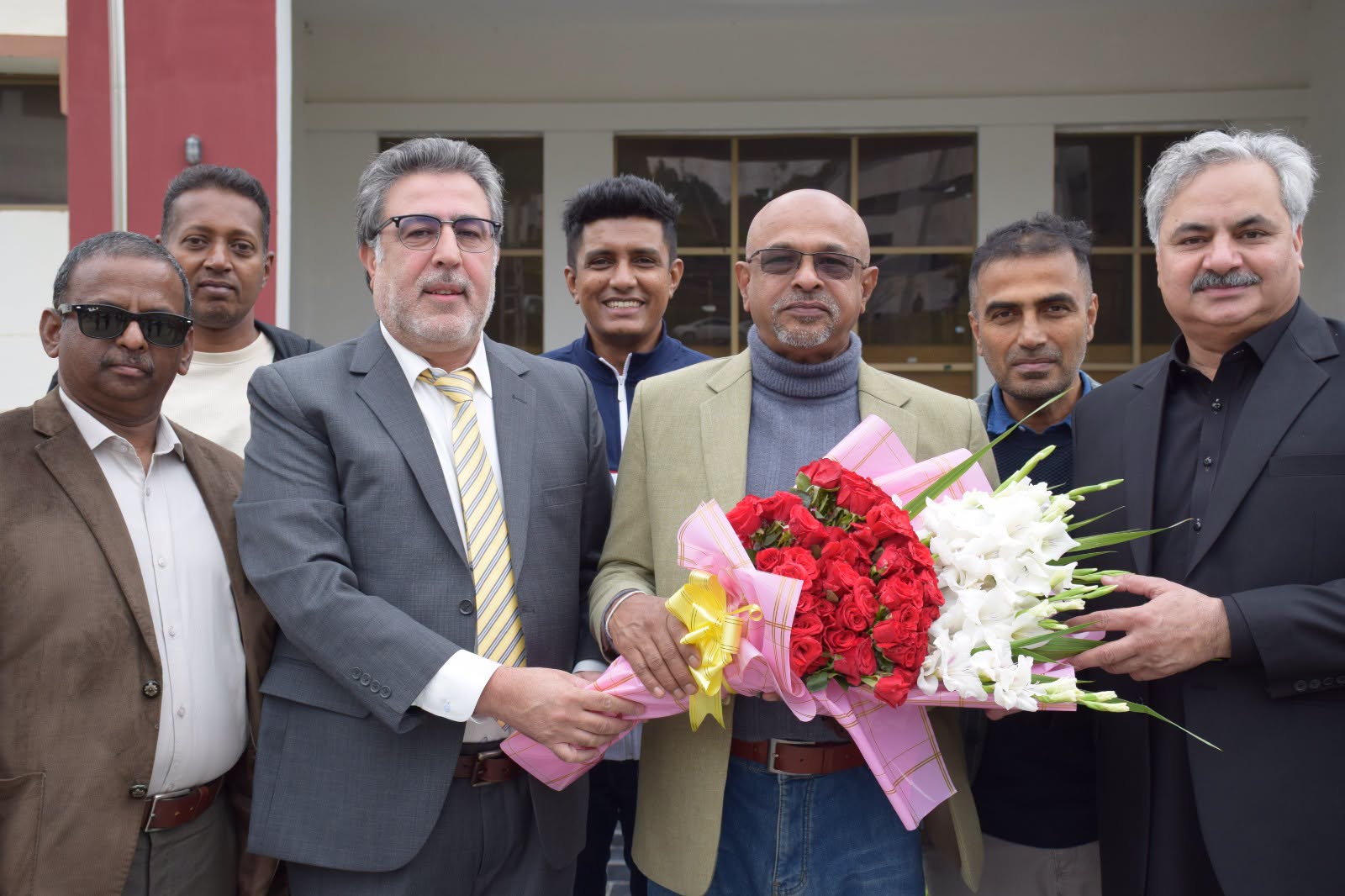
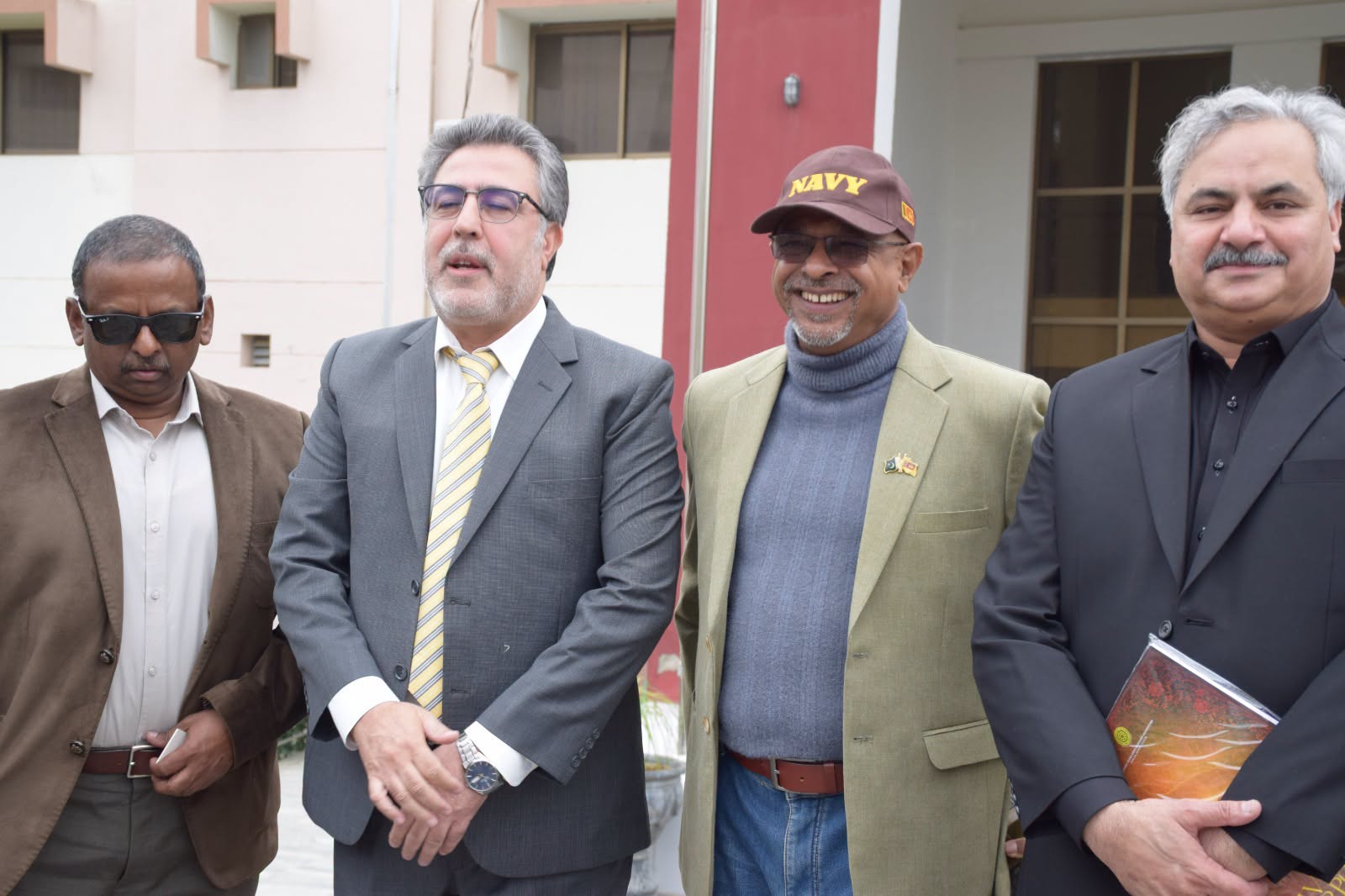
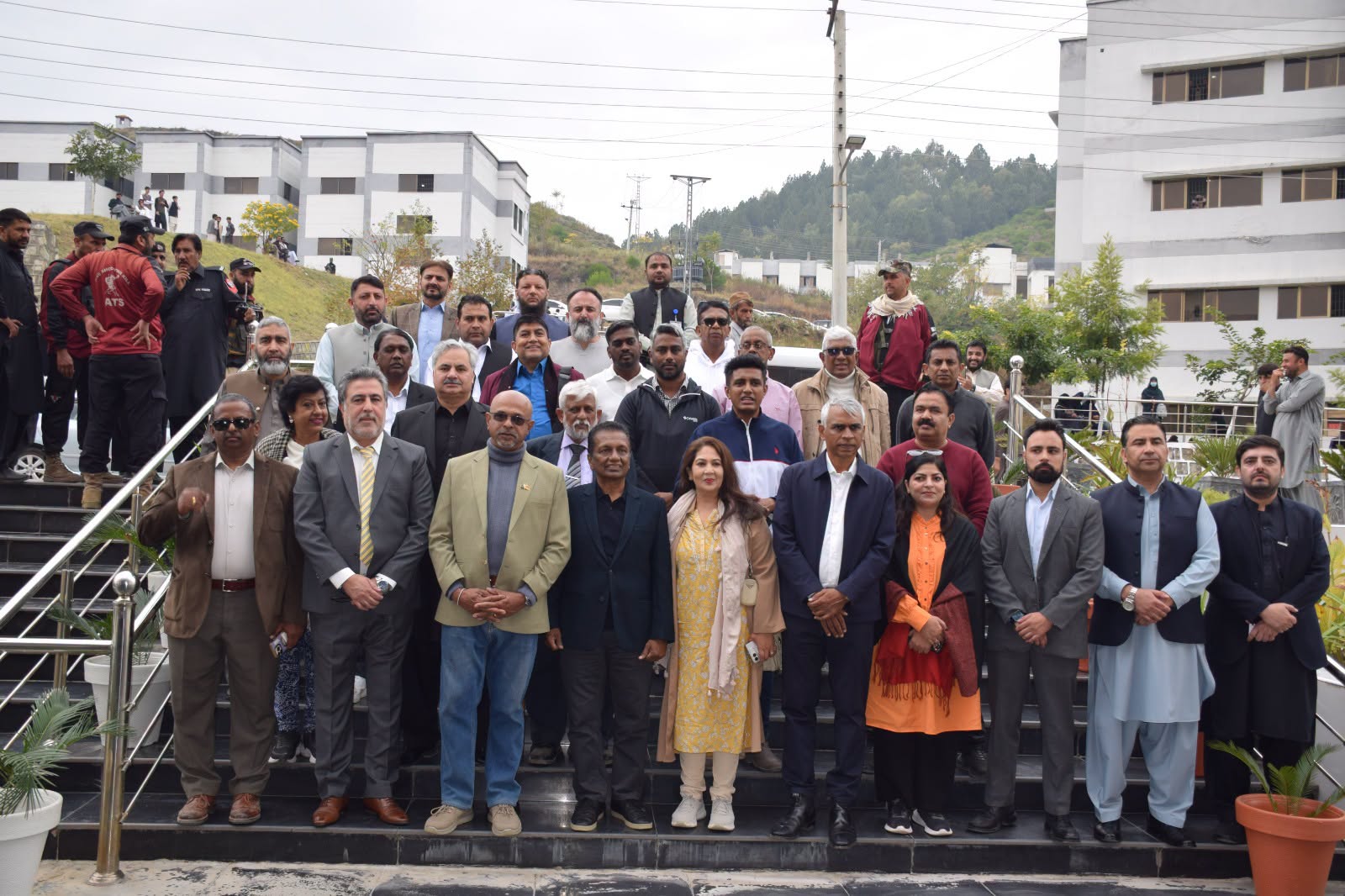
The MoU was signed through the Office of Research, Innovation and Commercialization (ORIC) by Dr. Arshad Ali Khan, Registrar, University of Swat, and Prof. P. D. Mandawala on behalf of NIIBS, in the presence of H.E. Rear Admiral Fred Seneviratne, High Commissioner of Sri Lanka to Pakistan, and the Vice Chancellor, University of Swat, Prof. Dr. Husnul Amin.
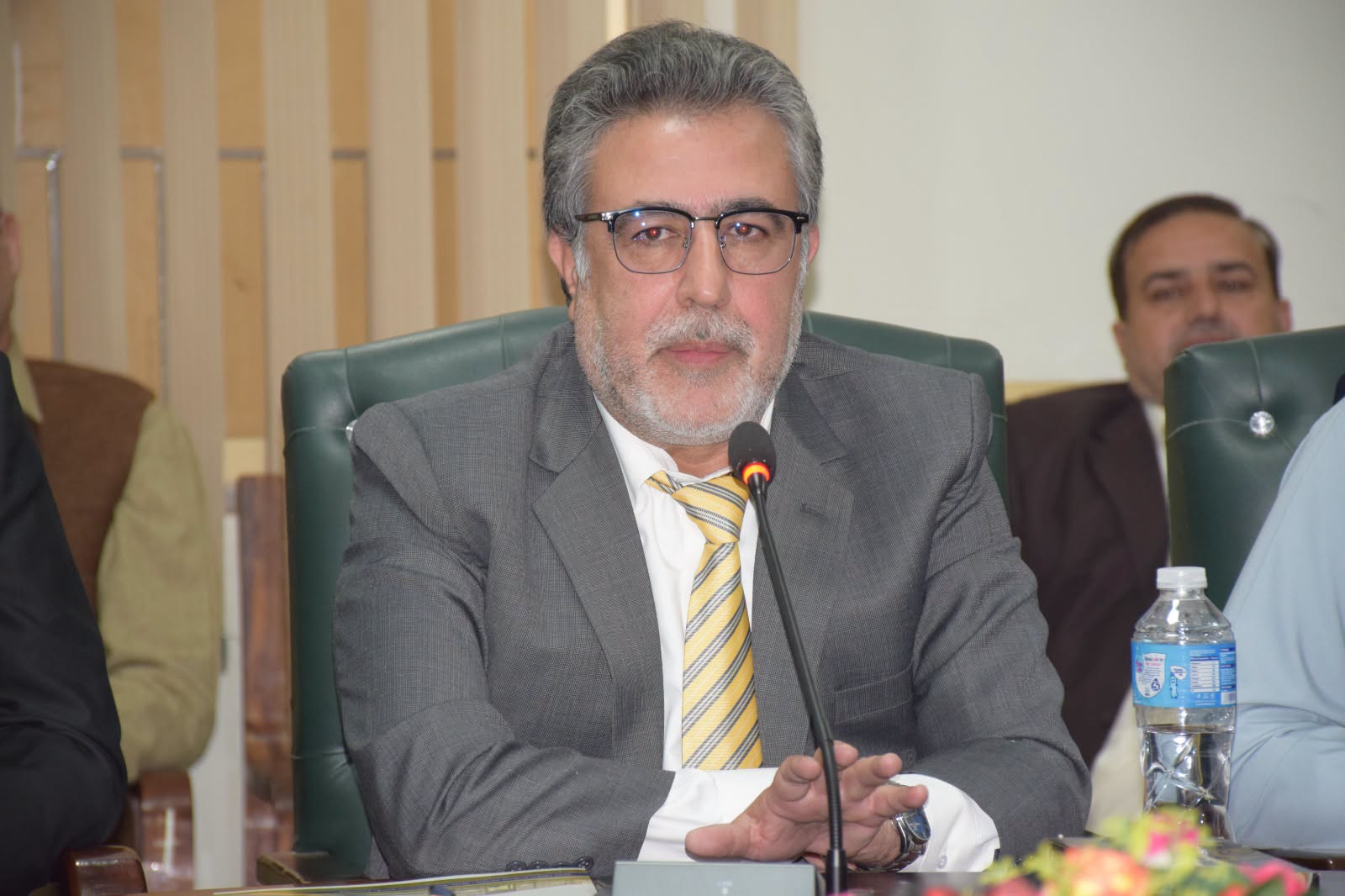
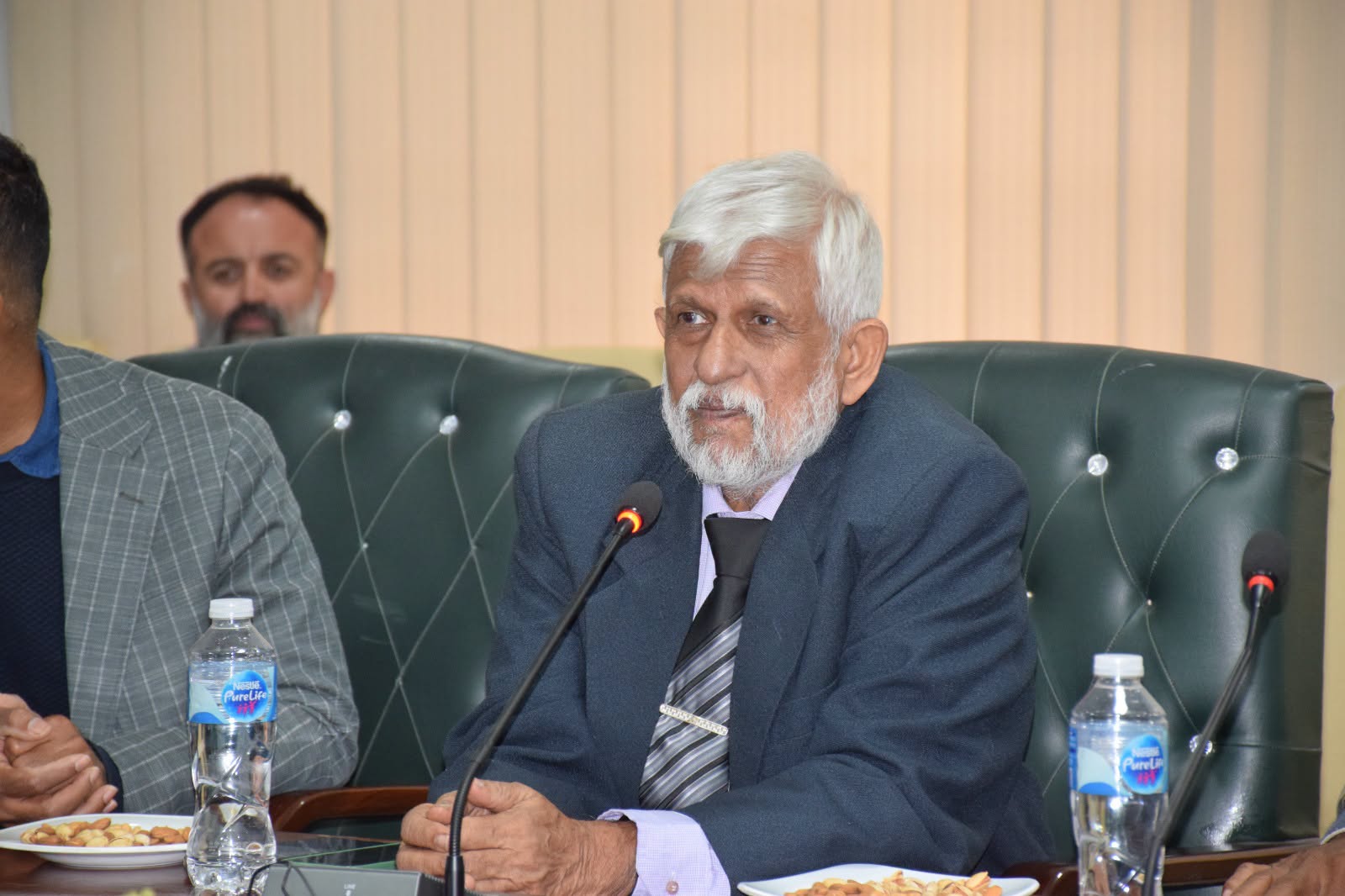
Speaking at the occasion, Vice Chancellor Prof. Dr. Husnul Amin called for sustained and multidisciplinary collaboration. Welcoming the Sri Lankan delegation, he extended heartfelt gratitude to the High Commissioner and NIIBS for choosing the University of Swat as a partner. Prof. Amin said Swat is blessed with a unique combination of breathtaking natural beauty and profound historical depth. He noted that Swat is not only the Switzerland of the East for its landscape but also the cradle of Gandhara civilization, which linked South Asia with Central Asia through knowledge, spirituality, and art. The Vice Chancellor emphasized that the MoU should not be treated as a symbolic, one-time activity. “We must institutionalize this partnership. We need continuous student and faculty mobility, joint field excavations, co-supervised research, and joint international conferences,” he said. Expanding the scope of collaboration, Prof. Amin said academic linkages must go beyond archaeology and Buddhist studies. He pointed out that ancient civilizations and heritage sites are increasingly vulnerable to climate change, environmental degradation, and unsustainable tourism. “Therefore, we should also collaborate in environmental sciences, biodiversity conservation, cultural tourism, and sustainable development,” he added. By working together, we can preserve our shared heritage while preparing our youth for contemporary global challenges,” he maintained. The vice chancellor assured the delegation of full administrative and academic support from the University of Swat and expressed hope that the partnership would open new avenues of learning, research, and cultural diplomacy between Pakistan and Sri Lanka. Earlier, Sri Lankan High Commissioner H.E. Rear Admiral Fred Seneviratne appreciated the university’s warm hospitality and said that joint efforts are needed to promote a peaceful environment for researchers, tourists, and common people of both countries.
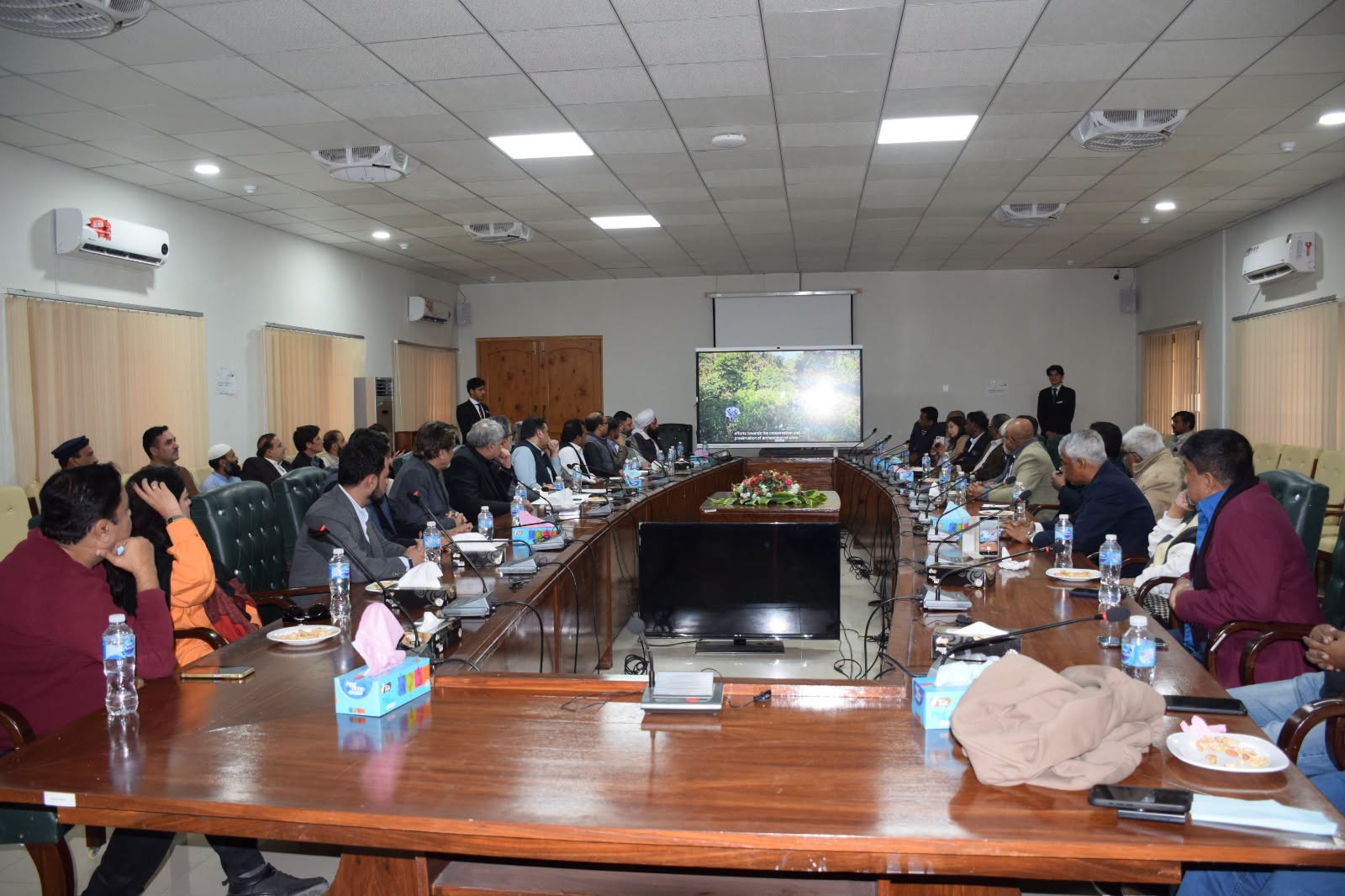
Registrar Dr. Arshad Ali Khan gave a detailed presentation on Swat’s heritage, highlighting a comprehensive overview of Swat’s historical and archaeological significance. He said that Swat Valley, historically known as Uddiyana, is one of the most sacred lands for Buddhist heritage in the world. He briefed the delegation that Swat houses hundreds of Buddhist archaeological sites, including the world-renowned Butkara-I, Saidu Sharif Stupa, Jahanabad Buddha, Ghalegay, Barikot, and Nemogram, which reflect the glory of Gandhara civilization that flourished here for over a thousand years.
He added that these sites are not merely archaeological remains but living testimonies of religious tolerance, cultural dialogue, and artistic excellence. He said the valley’s monasteries, stupas, and rock carvings hold immense cultural and religious importance for scholars and followers of Buddhism across Sri Lanka and Southeast Asia and provide a strong academic foundation for collaborative research between the two institutions.
The ceremony was attended by Mr. Christy Ruban, Deputy High Commissioner, Director ORIC; Prof. Dr. Anwar Hussain, Treasurer; Mr. Mahboob-ur-Rahman, renowned artist; Mr. Jamal Shah; and faculty members. The event concluded with the distribution of traditional souvenirs, including Pakol caps, shawls, and wood-carved gifts. The delegation later visited the Museum of the Department of Archaeology, where Dr. Zarawar Khan gave a detailed briefing, and also planted trees outside Academic Block-B as a symbol of growing friendship.